Your Book Isn't Selling: Diagnosing a Broken Listing
Great writing, wrong package. How to find the conversion leak — cover, blurb, category, or price — before you spend a cent on ads.
The Self-Publishing Review · Sourced & Numerate
The thumbnail economy — covers, titles, descriptions, and the metadata that indexes.
On a storefront of millions of thumbnails, the package — cover, title, description, and metadata — is what converts a browser into a buyer. This section covers designing a cover that names its genre at thumbnail size and still stands out, writing a title-and-subtitle pair that hooks and indexes, building a product description that argues rather than summarizes, and filling the seven keyword slots and category placements that make a book discoverable. The cover alone is estimated to drive roughly half of indie sales and is judged in under two seconds; the description's first 150 characters do most of the work above the fold. We treat packaging as conversion engineering — testable with tools like PickFu, and fixable when a listing stalls.
Package to Convert
Stop guessing. Put your packaging in front of real genre readers before launch — the tools that turn preference into data.
Great writing, wrong package. How to find the conversion leak — cover, blurb, category, or price — before you spend a cent on ads.
The title is a brand-and-curiosity hook; the subtitle is the searchable, benefit-carrying workhorse. Proven patterns by genre — and the data behind the ones that sell.
Roughly half of indie sales, judged in under two seconds. Fit your genre's conventions first, then differentiate within them — and test with real readers before you commit.
Seven keyword slots, up to ten categories. The highest-leverage discovery work — and the line where optimization becomes penalized stuffing.
The product page is a sales argument, not a summary. The first 150 characters, the bullets, and the HTML formatting that lift conversion.
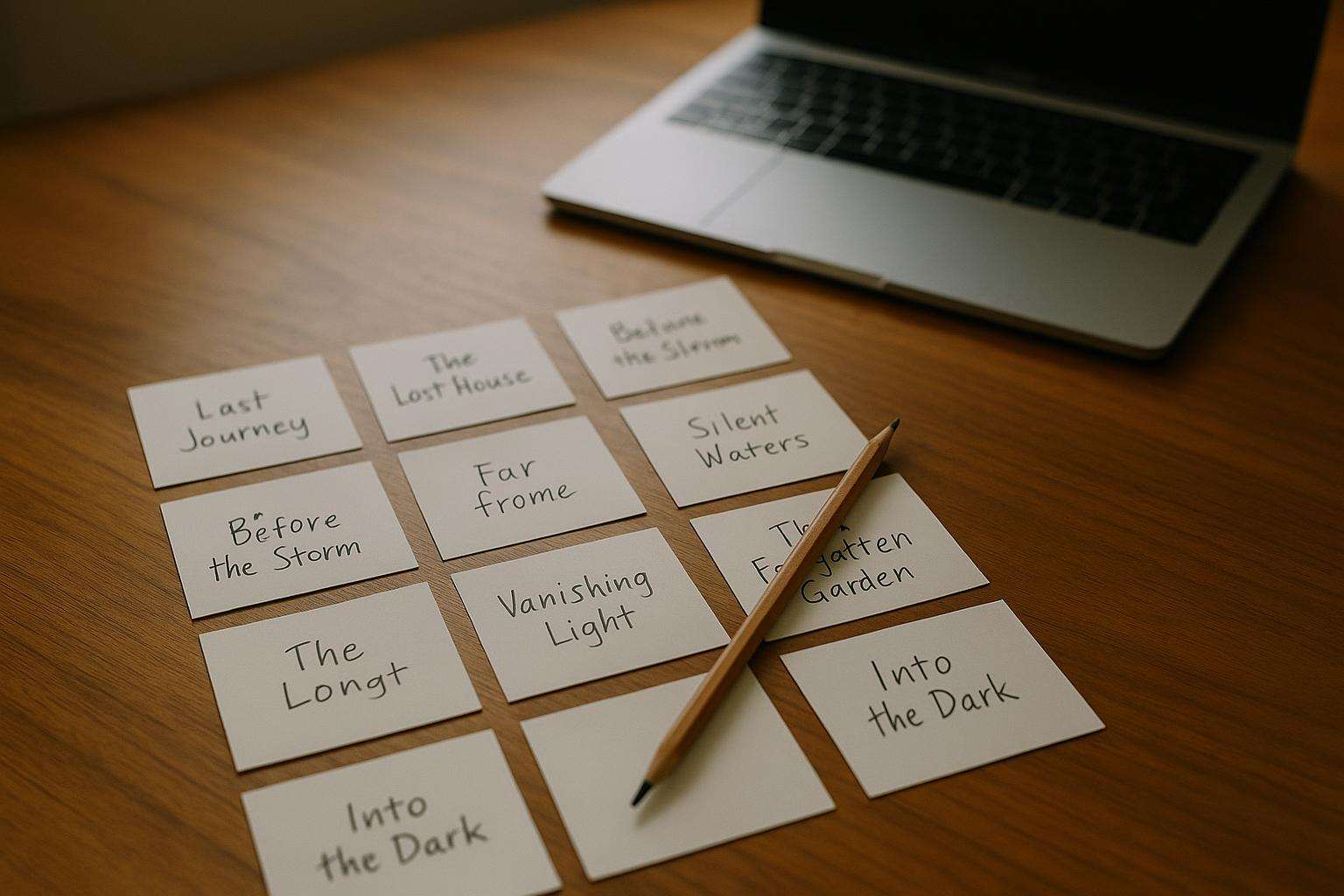
The cover is the single highest-leverage conversion asset. It is estimated to drive roughly half of indie sales, and a browser judges it in under two seconds at thumbnail size — long before they read the title or the blurb. The rule is 'fit in, then stand out': match your genre's conventions for color, typography, and imagery so a reader instantly recognizes the category, then differentiate within those bounds. Testing platforms like PickFu let you put two to four cover variants in front of targeted genre readers and read their written rationale, which regularly overturns an author's personal favorite.
Amazon gives you seven keyword fields of up to 50 characters each, and lets a title hold up to ten browse categories — two at upload and the rest added by request through Author Central. Fill all of them with relevant, high-intent terms harvested from Amazon autocomplete and validated in a tool like Publisher Rocket for search volume against competition. The goal is to index for phrases real buyers search while avoiding "ghost" categories that receive no traffic and irrelevant terms that cross the line into penalized keyword stuffing.
A description is a sales argument, not a plot summary. For fiction the proven structure is a one-sentence hook introducing the protagonist and their situation, a paragraph that raises the stakes, and a close that teases resolution without revealing it. For nonfiction it is problem, promise, proof, and a call to action. The first 150 characters carry the most weight because they show above the fold, and light HTML formatting — bold, bullets, short paragraphs — measurably lifts conversion. Bryan Cohen's Best Page Forward method, built on 5,000-plus blurbs, is the canonical reference.