Story-Structure Frameworks That Satisfy Genre Readers
Save the Cat, the Hero's Journey, Romancing the Beat, Story Grid — hitting genre beats is what earns reviews and series buys.
The Self-Publishing Review · Sourced & Numerate
Craft is upstream of every sale — structure, the free sample, and the quality bar.
Marketing buys the first sale; the book earns every one after it. Craft that sells is the writing and structure work that drives completion, reviews, read-through, and organic word of mouth — the engine of sustained demand. This section covers architecting the spine (one concept per chapter for nonfiction, a tested beat structure for fiction), engineering the first ten percent that converts a Look Inside browser into a buyer, building the page-turner mechanics and emotional resonance that make readers finish and recommend, and running editing as a sequence of passes rather than a single sweep. Completion is not a vanity metric: a reader who finishes is the reader who reviews, reads through to the next book, and tells someone else.
Craft That Sells
The free sample is your real sales pitch. Open on the story or the problem, move front matter to the back, and end on a hook.
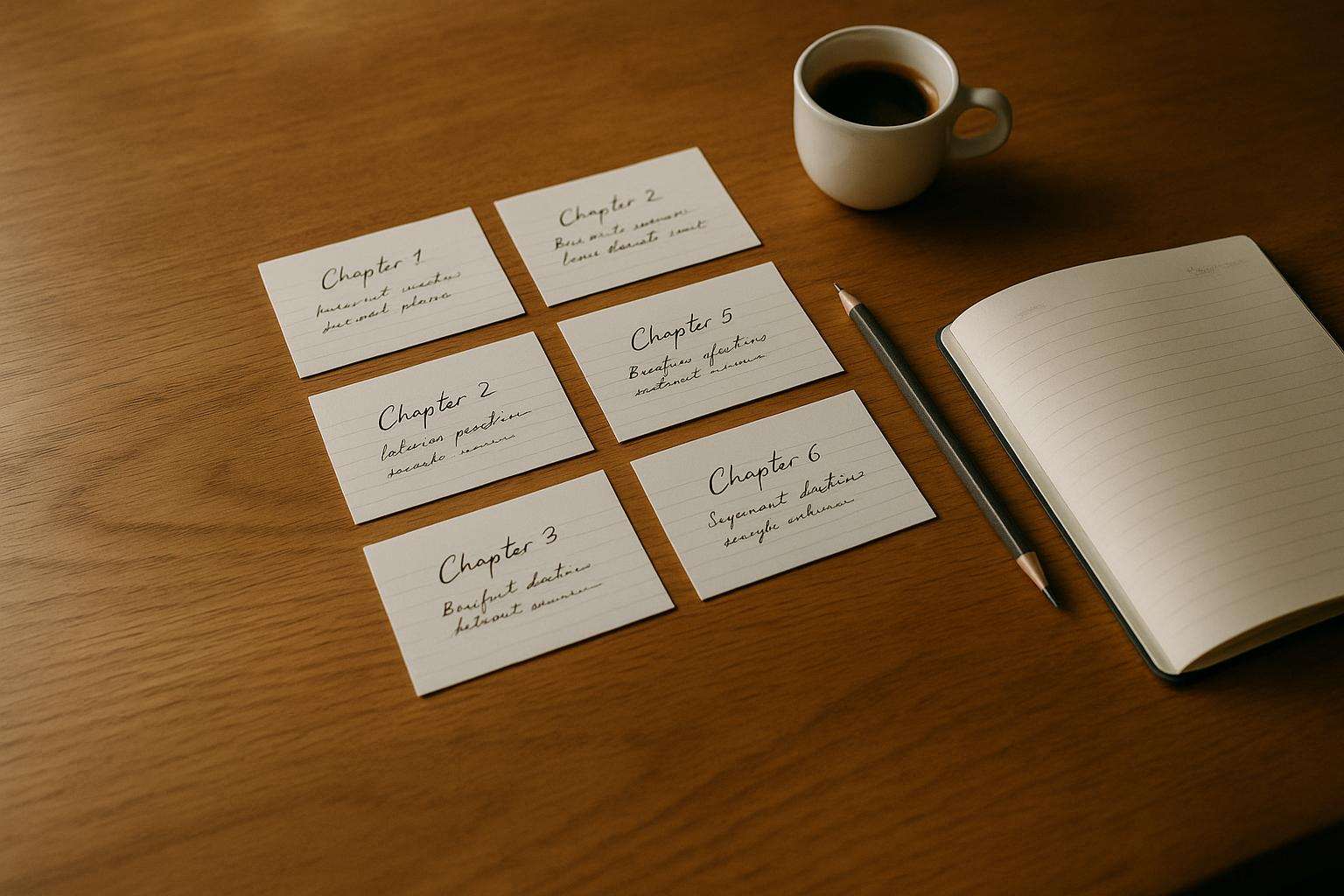
Save the Cat, the Hero's Journey, Romancing the Beat, Story Grid — hitting genre beats is what earns reviews and series buys.
Editing is a sequence, not one pass. Developmental to proofread — and the $250–$999 spend range that correlates with rising income.
Frequent releases trigger algorithm visibility and reader momentum — until speed erodes quality, invites review backlash, and burns you out.
Completion is the engine of reviews and read-through. Scene-end hooks, micro-tension, and the 15% threshold that changes everything.
One concept per chapter, a promise-proof-path spine, and takeaways readers act on. Structure for the transformation you sold.
Length isn't arbitrary — it interacts with price bands, KENP payout, and reader value. Genre norms and the penalty for padding.
Amazon's Look Inside and the Kindle sample give a browser roughly the first ten percent of your book for free, so that opening is your real sales pitch. The craft moves are consistent: open on the story or the reader's problem rather than throat-clearing, move copyright and dedication front matter to the back so the sample spends its space on the actual book, and end the sample on a hook or an unmistakable promise. For Kindle Unlimited titles there is a further mechanical reason: readers who pass the roughly 15% mark show sharply higher completion, and completion is what pays.
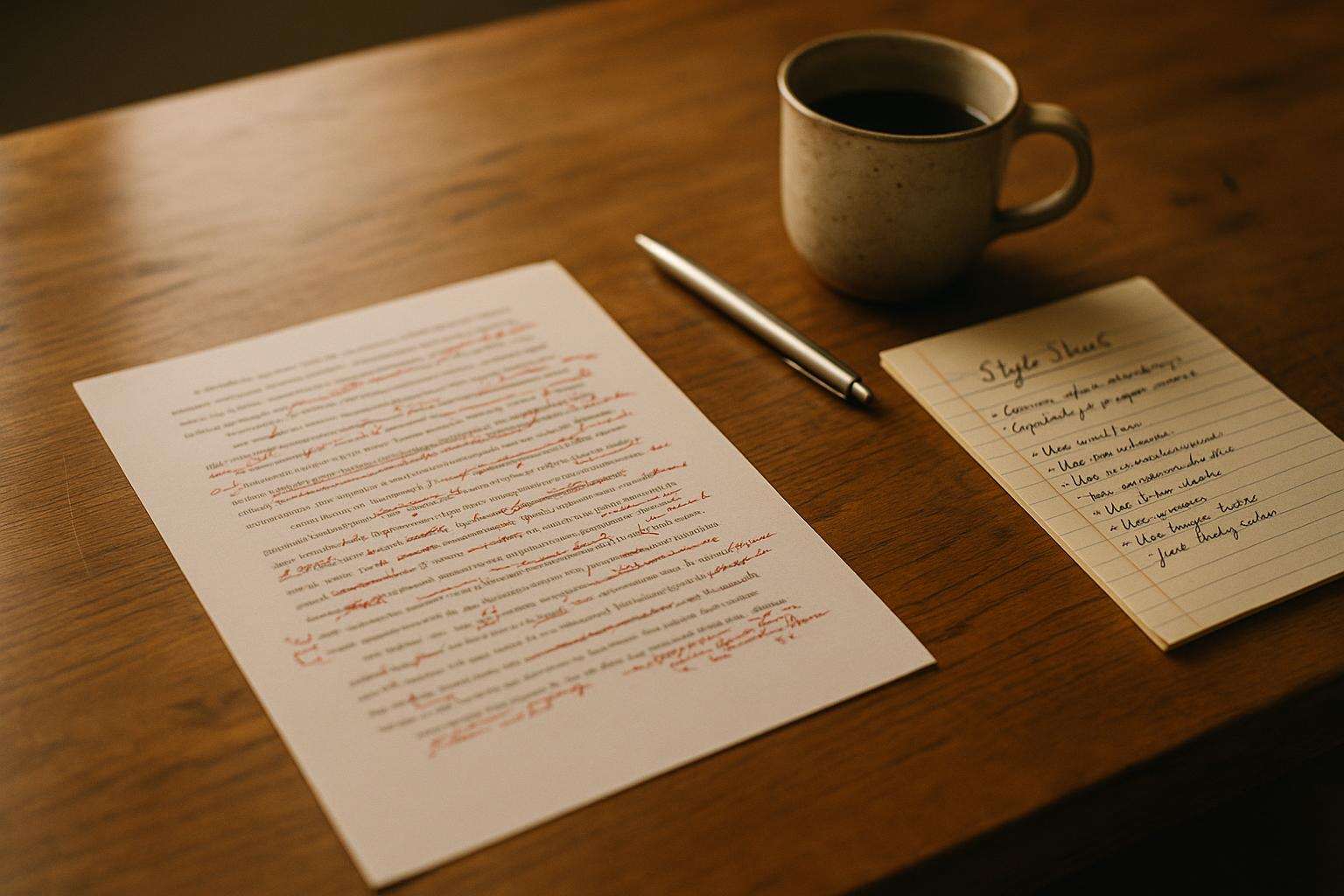
Editing is a sequence, not one pass. In order: a developmental edit for structure and argument, a line edit for prose and flow, a copy edit for grammar and consistency, and a final proofread for typos. You do not need to spend the most possible — Written Word Media survey data points to a $250 to $999 per-manuscript editing spend as the range most correlated with rising income, while spending nothing correlates with stagnation and the top-heavy $2,000-plus tier shows no further income lift when cover and metadata are neglected. The quality bar exists to prevent the one-star reviews and refunds that a rushed book invites.
Completion is the hinge between craft and revenue. A reader who finishes Book 1 is the reader who leaves a review, buys Book 2, and recommends the series — so page-turner mechanics like scene-end hooks, micro-tension, and a satisfying-but-open ending are commercial decisions, not just craft ones. Read-through rates bear this out: 40% to 60% of Book 1 readers typically buy Book 2, 70% to 80% of those continue to Book 3, and 85%-plus persist past Book 4. Every craft lever that lifts finish rate compounds through the whole catalog.