The Best Book Promotion Sites for a Launch, Ranked
BookBub, Freebooksy, Bargain Booksy, and the tiers below — where to spend for a sales spike. Ranked on reach, cost, and ROI by genre.
The Self-Publishing Review · Sourced & Numerate
Concentrate velocity, then feed the flywheel — launches, ads, and discovery.
A launch is engineered backward from release day to concentrate enough sales velocity to ignite rank, visibility, and word of mouth. This section covers building the pre-launch runway, setting pre-orders correctly per platform, stacking promotions into a tight window, and surviving the 30-day post-launch cliff. It also covers the discovery machine downstream of launch: Amazon's ranking signals and also-boughts, ads on Amazon, Meta, and BookBub judged on total royalties over time rather than a single sale, and the newer surfaces — BookTok, AI answer engines — that have become real. The guiding principle is that ads amplify a converting page but cannot rescue a broken one; you fix the package first, then pour on traffic.
Launch & Ignite
Three ad channels, three jobs. CPM versus CPC, targeting depth, and the best-fit use case for each — compared on the math.
BookBub, Freebooksy, Bargain Booksy, and the tiers below — where to spend for a sales spike. Ranked on reach, cost, and ROI by genre.
Drive to a reader-magnet funnel or the listing — audience targeting, creative, and the Mark Dawson method that pays for subscribers.
A launch is built backward from release day: runway, ARC recruitment, list warming, and concentrated velocity that turns into durable rank.
Both are real, neither is a plan. How the algorithm, BookTok, and AI shopping assistants surface books — and how to be found without betting on virality.
Pre-orders concentrate sales and seed also-boughts — but on Amazon a long pre-order can dilute the day-one velocity you're chasing. The fix is platform-specific.
The launch isn't over on release day. Ramp ads as promos fade, entrench your also-boughts, and keep rank from collapsing at day 30.
Keyword or product targeting, auto or manual, and a break-even ACOS that folds in KU page reads. Start broad, harvest what converts.
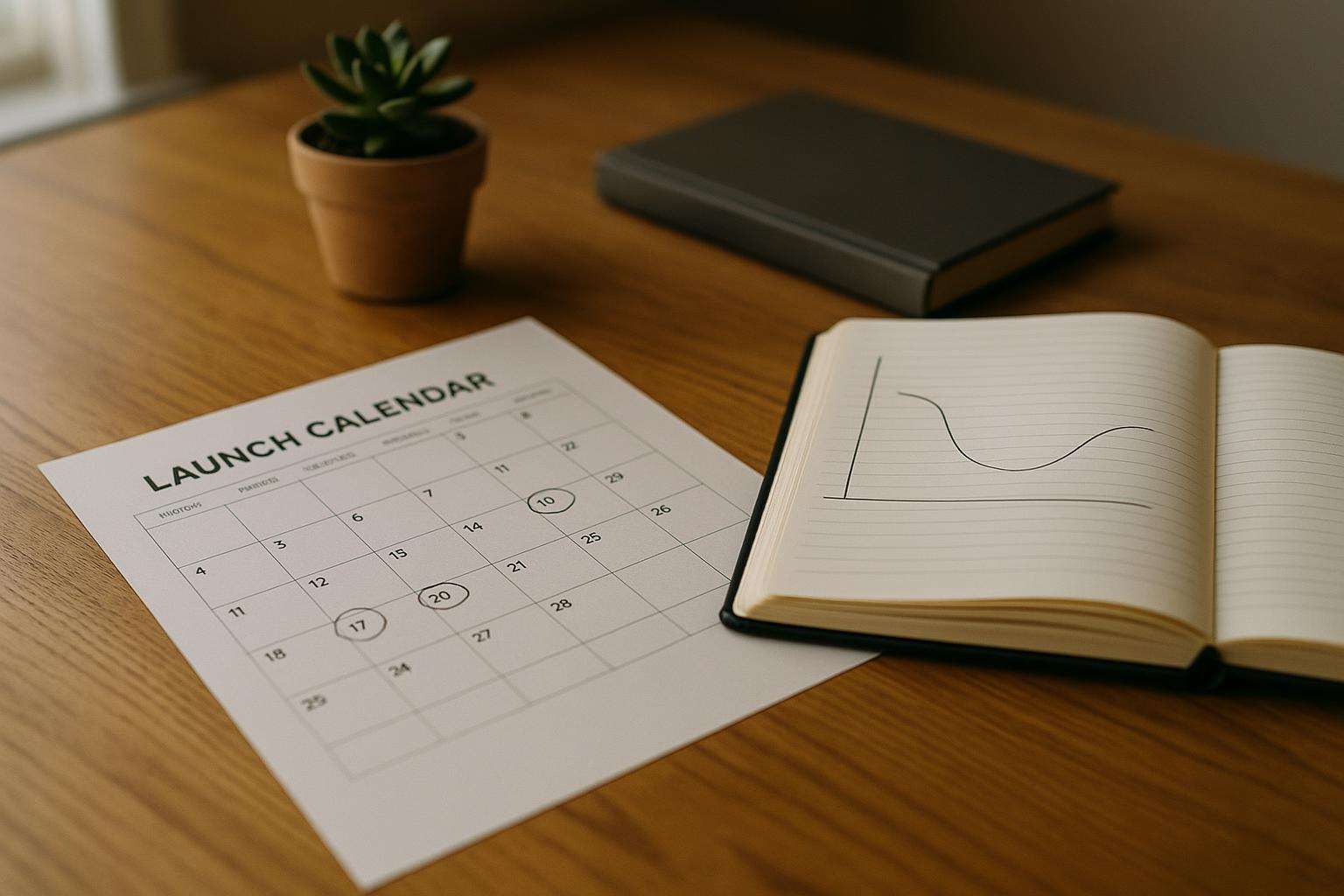
Amazon's rank rewards recent sales velocity far more than lifetime totals, so a launch works by concentrating sales into a tight window rather than spreading them out. Pre-orders that Amazon counts toward release-day rank, a warmed email list segmented to release over a few days, and stacked promotions all push velocity into the same period to hit category bestseller and Hot New Release placement. The catch is the roughly 30-day post-launch cliff, when the initial visibility boost fades; the plan has to include ramping ads and entrenching favorable also-boughts so rank does not collapse when the launch promos end.
Ads can be profitable, but only when judged correctly and pointed at a converting page. The core rule is that ads amplify a page that already converts — a strong cover, blurb, and reviews — and cannot rescue a broken listing; fix the package before raising the bid. Profitability is measured on total royalties over time, including Kindle Unlimited page reads and series read-through, not on a single first sale, which is why authors compute a break-even ACOS that folds in read-through. David Gaughran's first rule stands: never spend on ads what you cannot afford, and scale only from reinvested royalties.
Both are real discovery surfaces, but neither is a reliable plan. BookTok drove genuine backlist resurgences — Colleen Hoover is the headline case — but the viral hits are outliers against a base rate of videos that go nowhere, so it is a bet to layer on, not to count on. AI answer engines and shopping assistants are an emerging surface where clean, keyword-accurate metadata and a well-structured book can earn citations. The durable approach is to engineer the recommendation graph you control — Amazon's algorithm, also-boughts, and your own list — and treat viral and AI discovery as upside.